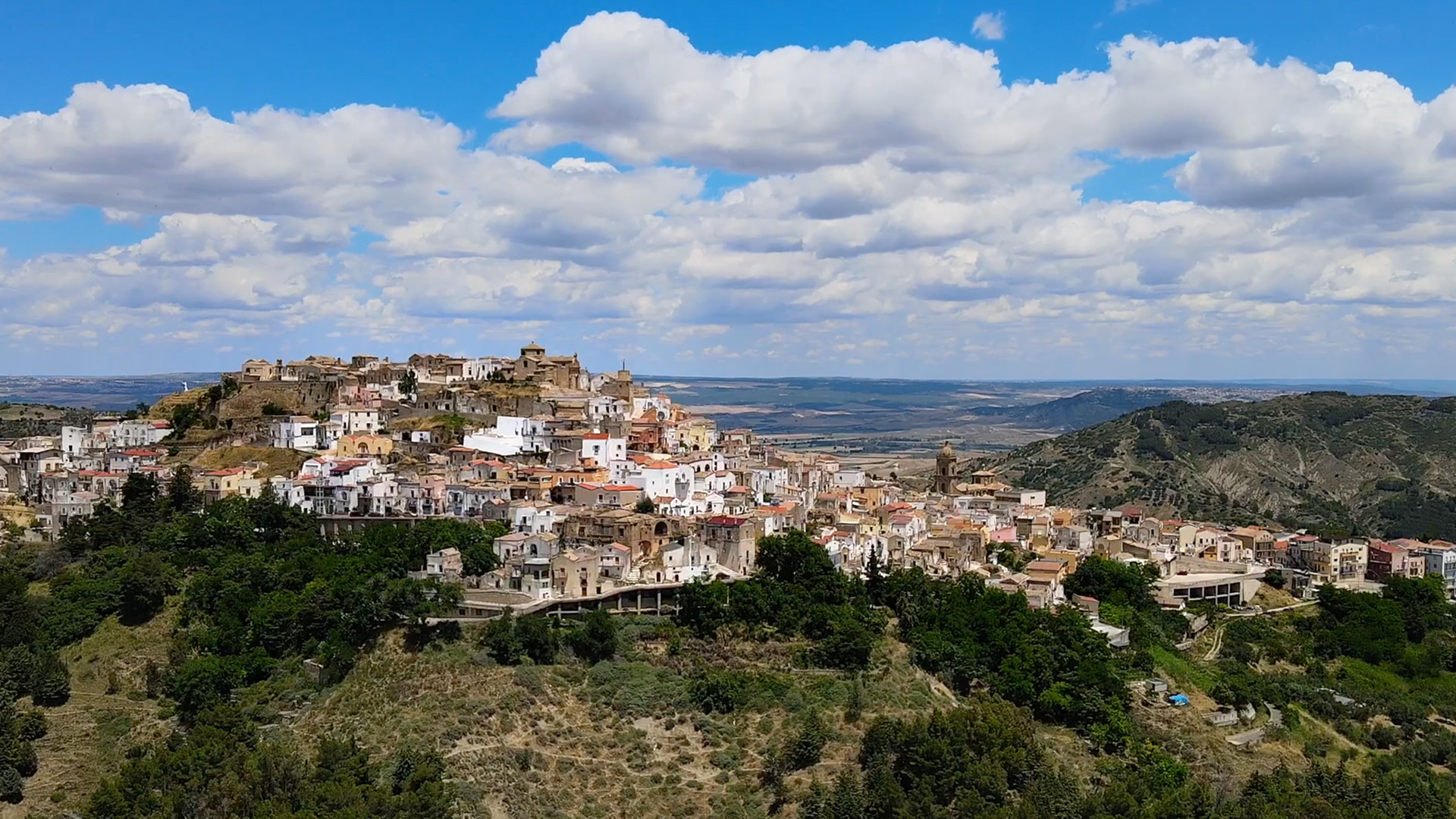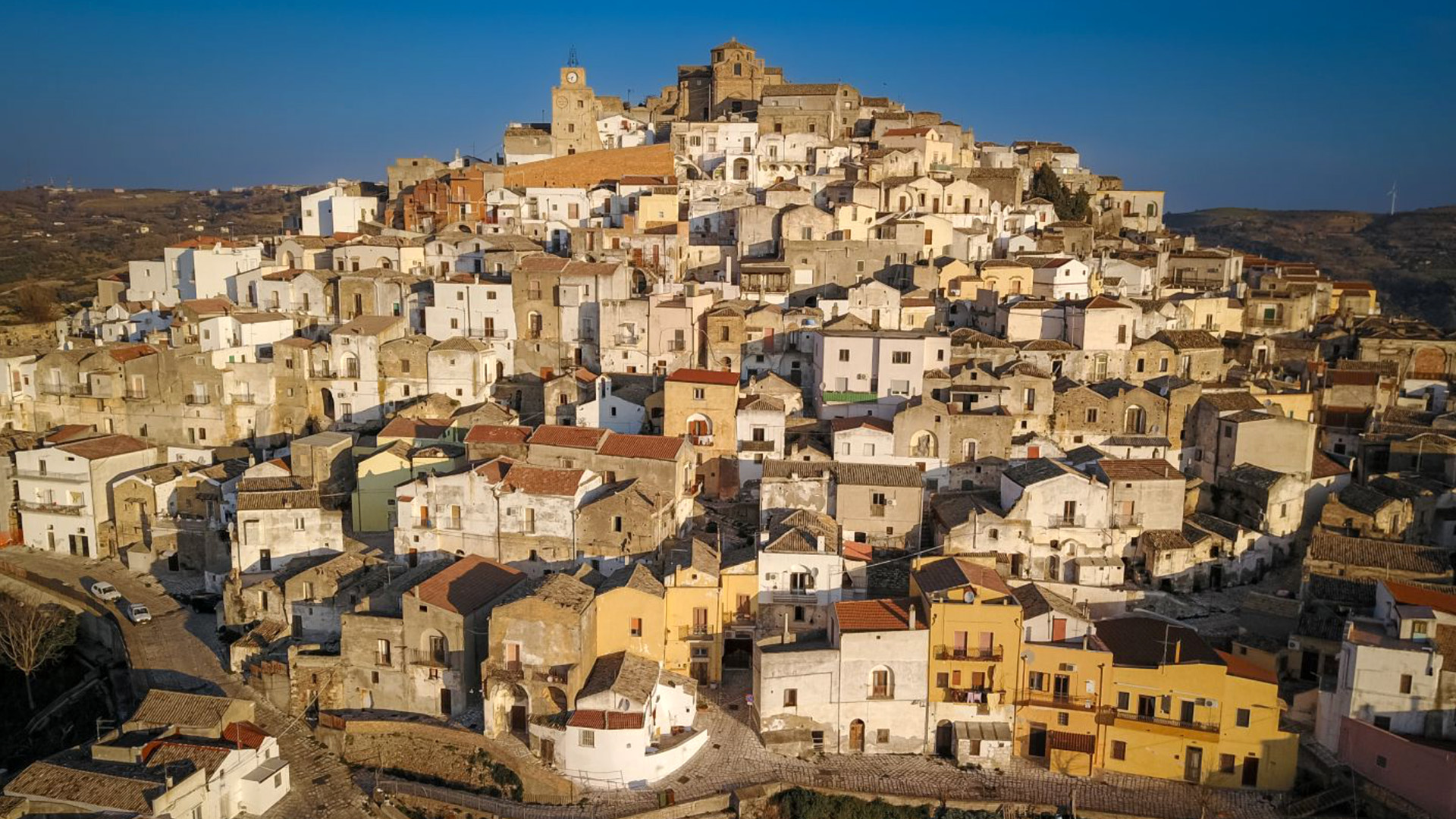
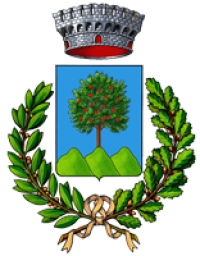
The current center of Pomarico was established in 850 AD after the destruction of Old Pomarico due to Saracen raids. The chosen site was strategic, located on a cone trunk with steep slopes. The name “Pomarico” probably derives from the Latin “Pomi Ager,” meaning “field of fruits” or “land rich in trees.” Pomarico’s history is linked to two ancient centers: Old Pomarico and Castro Cicurio. Old Pomarico, a fortified Lucanian center, existed before the 5th century BC and came under Greek influence in the 4th century BC. Castro Cicurio, on the other hand, dates back to the Roman era and was Romanized from a previous Greek settlement, Cichurus. Under the Normans, Pomarico became part of the County of Montescaglioso and was contested between local lords and the Benedictine Abbey of Saint Michael the Archangel until 1714, when Castro Cicurio became a Benedictine colony. Pomarico was a fief of various lords including William Iron Arm, Robert Guiscard, and the Donnaperna family, who built the Palazzo Marchesale in the 18th century. Pomarico is known for a “miracle” by Saint Francis and has given birth to illustrious personalities such as Niccolò Fiorentino, Camillo Giuseppe Giordano, Don Pietrangelo Spera, and Camilla Calicchio, mother of the musician Antonio Vivaldi.
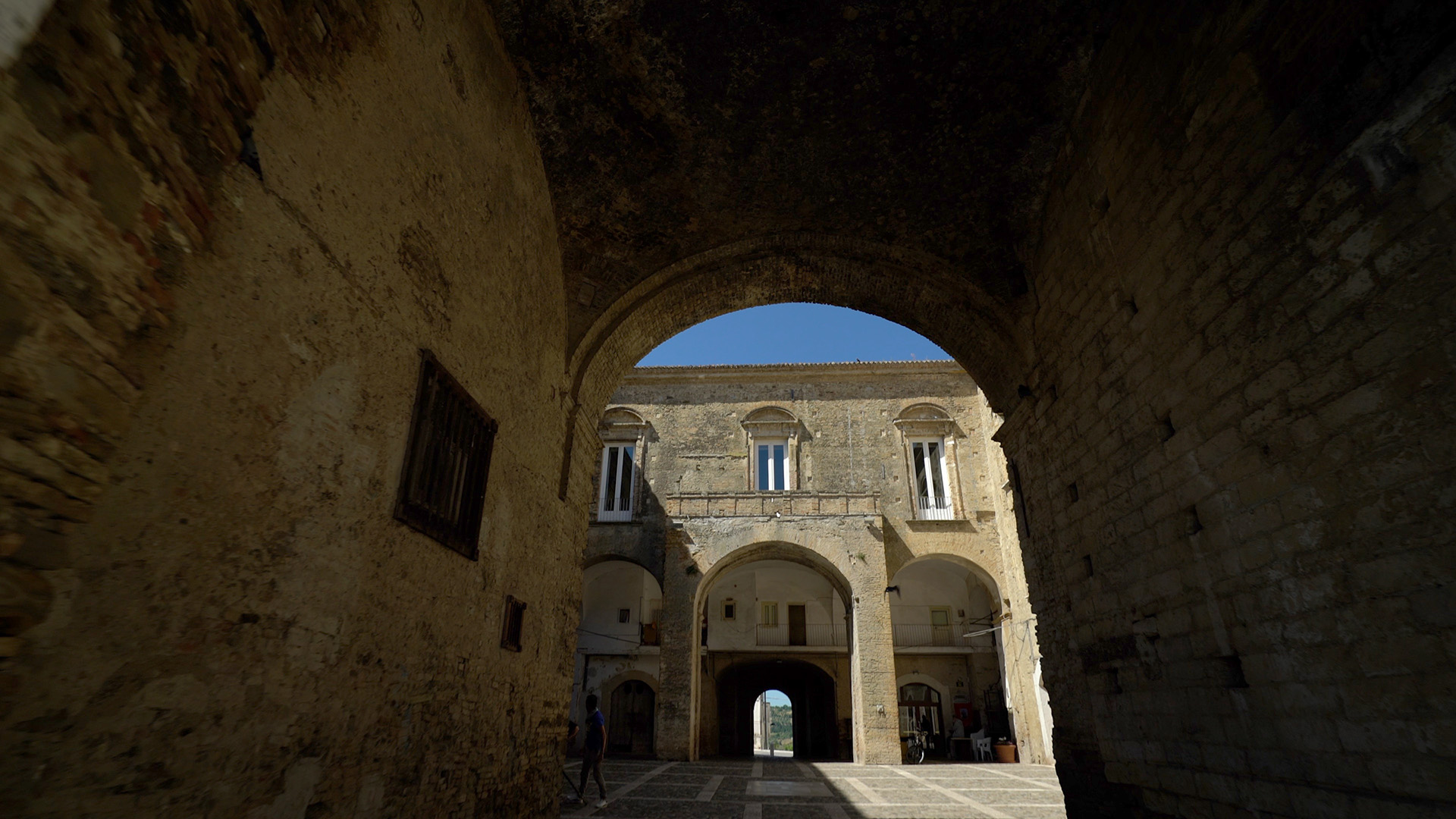
Palazzo Marchesale Donnaperna - Pomarico
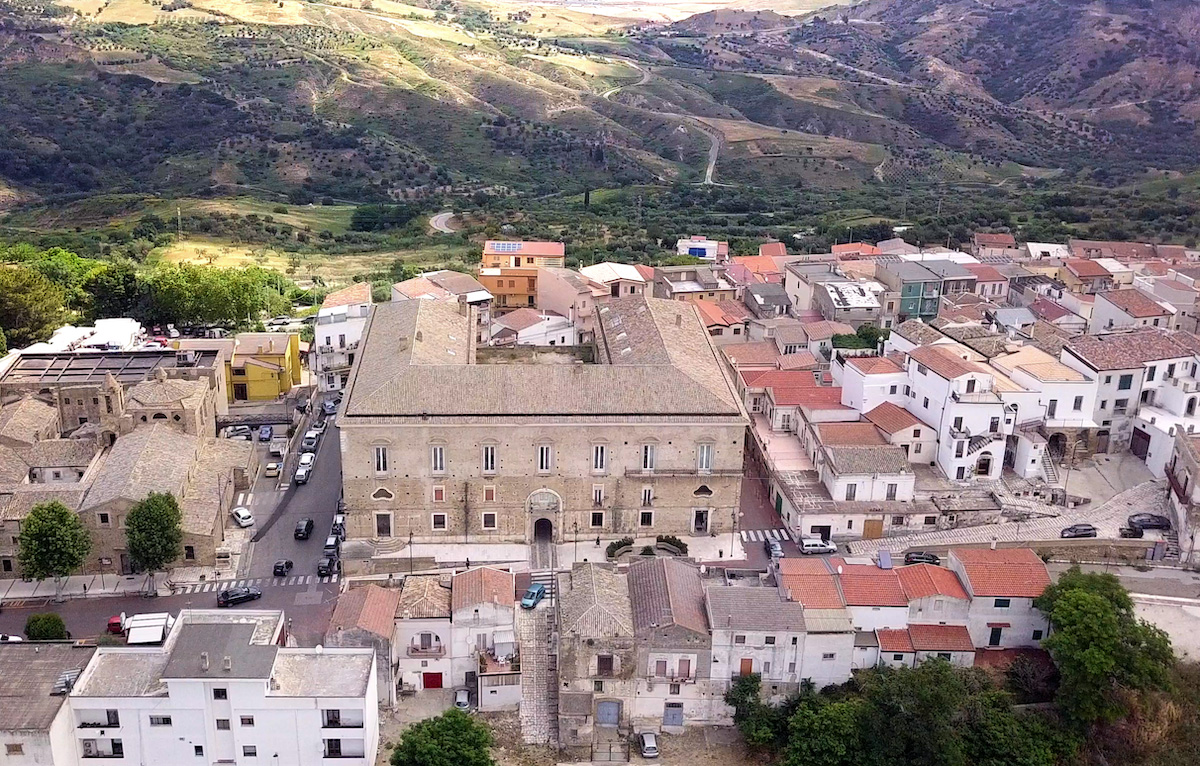
Veduta aerea Palazzo Marchesale Donnaperna - Pomarico
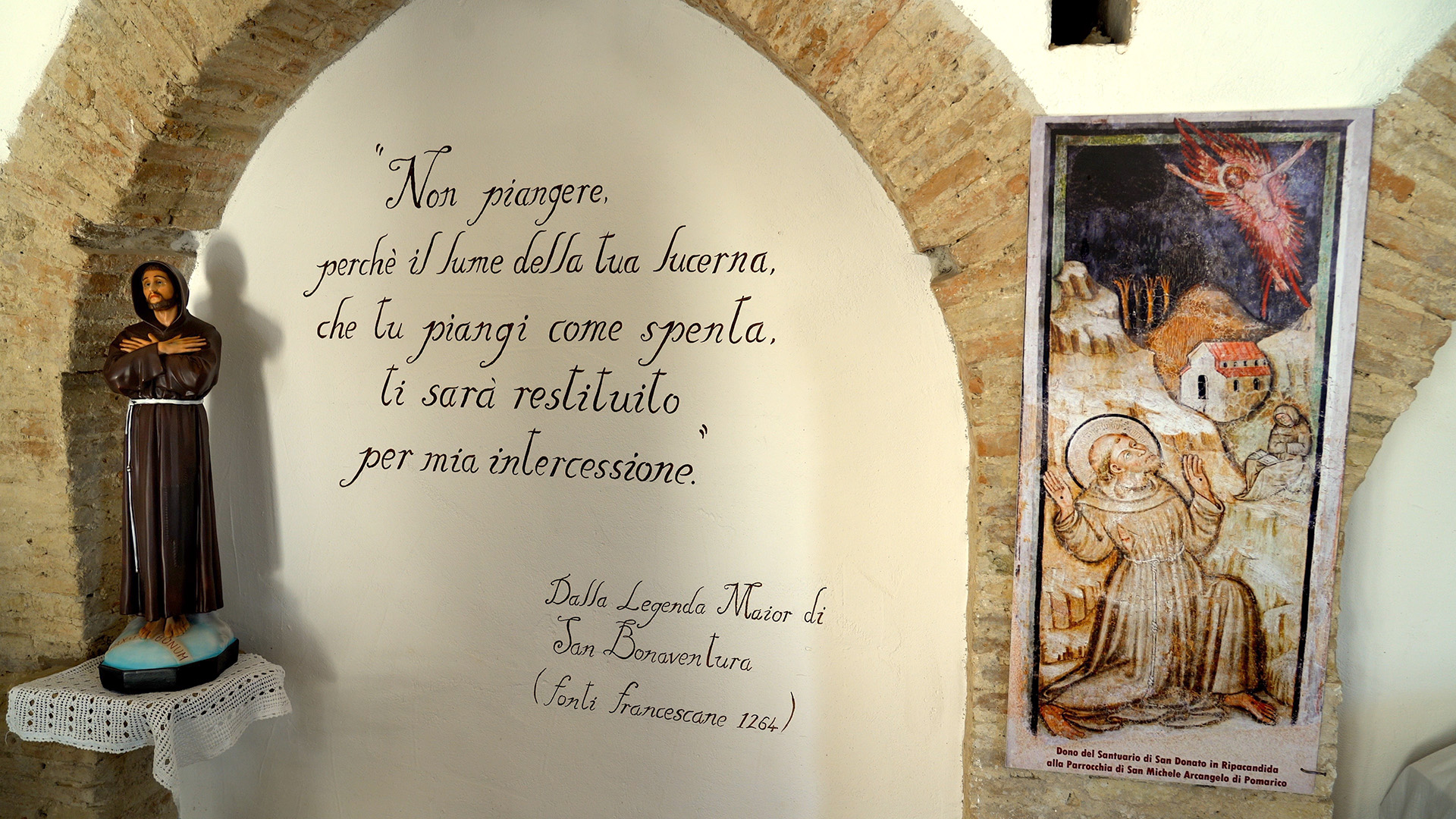
Casa del Miracolo di San Francesco - Pomarico
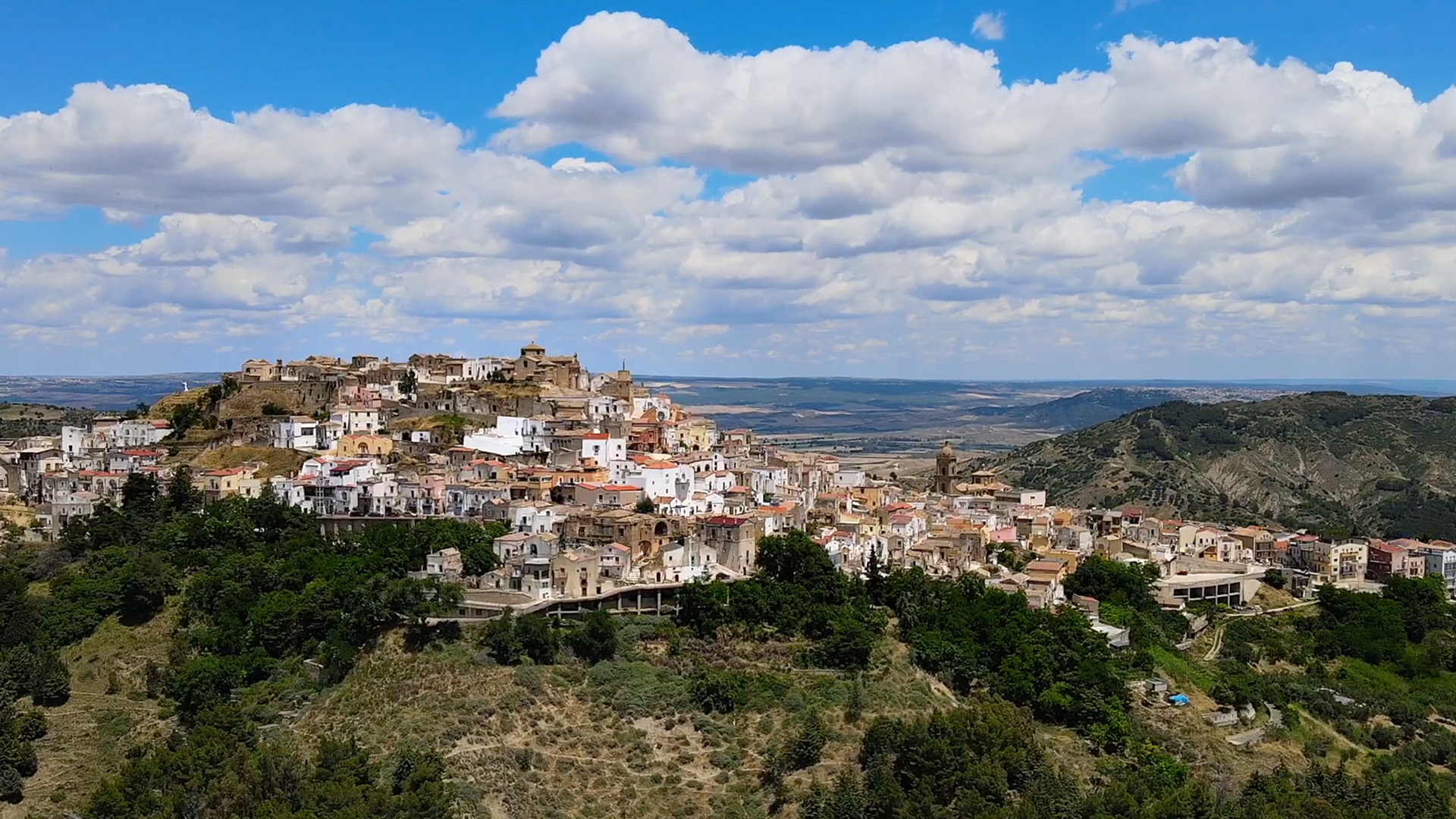
Pomarico
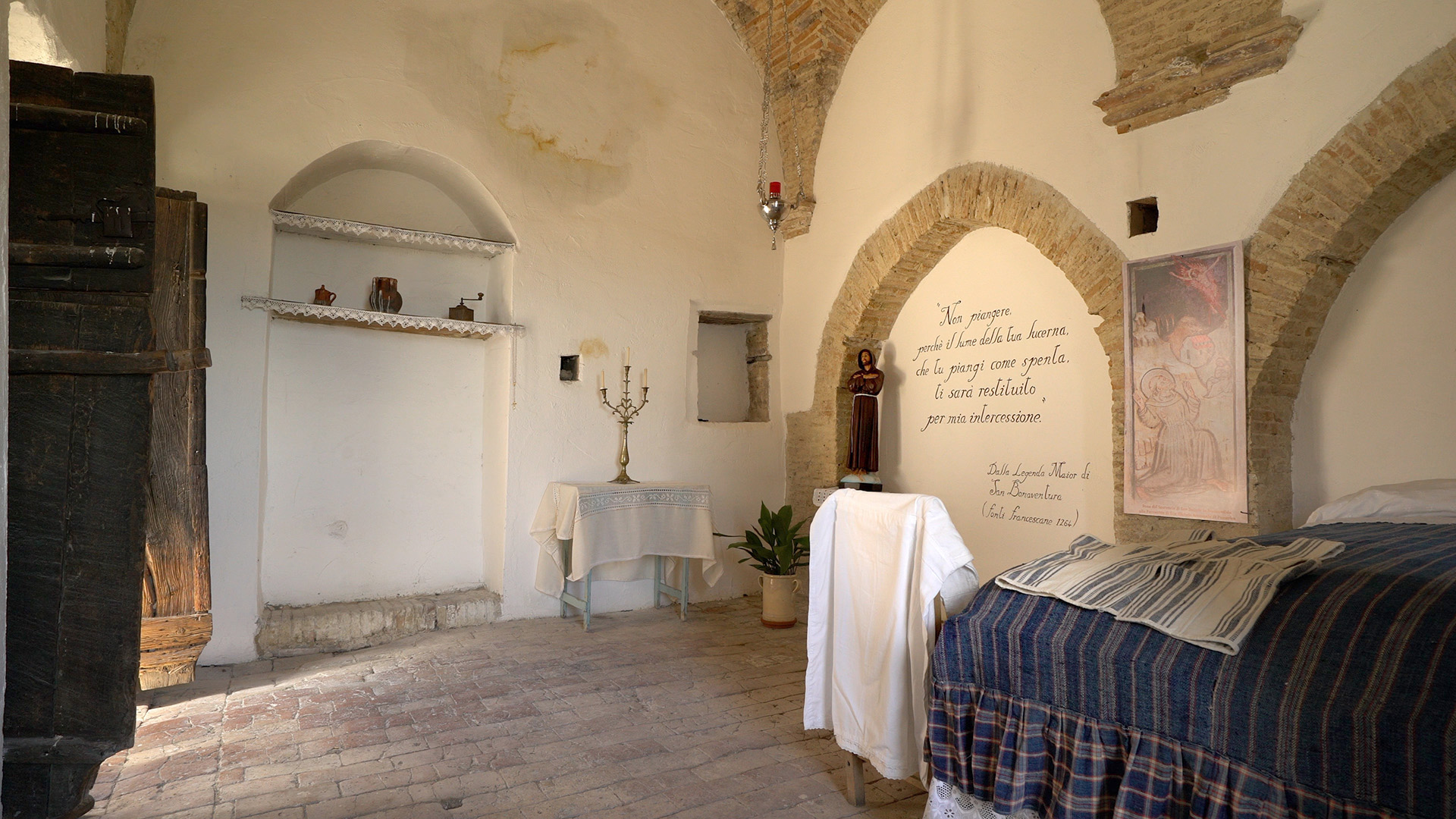
Casa del Miracolo di San Francesco - Pomarico
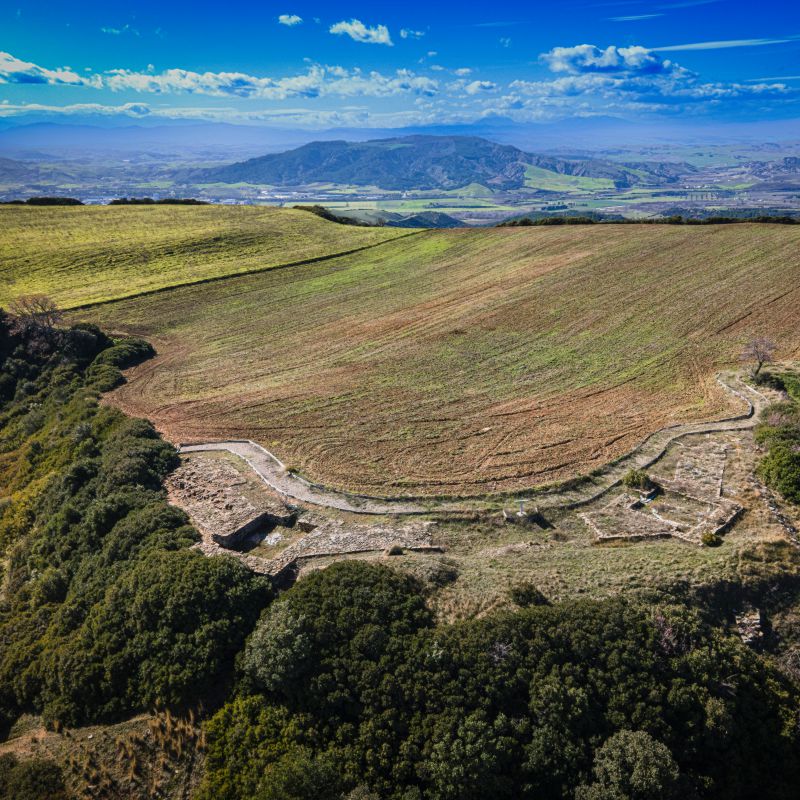
Panorama dintorni Pomarico
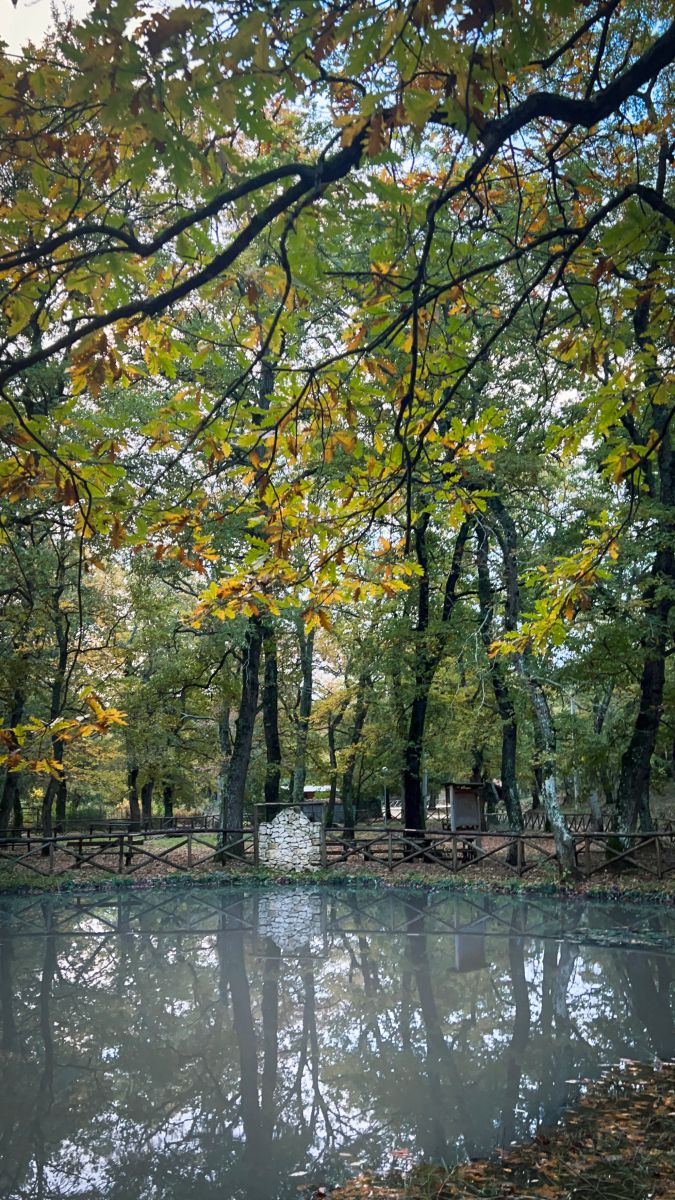
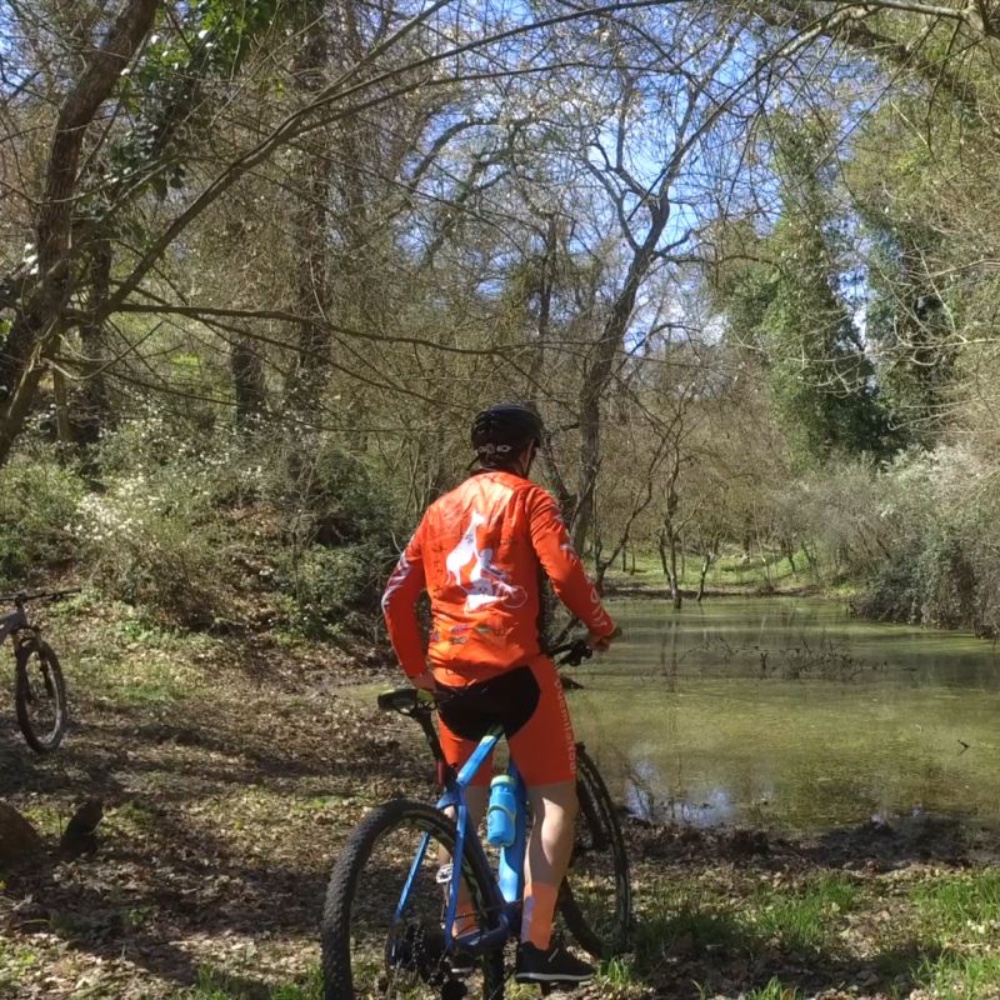
Bosco Manferrara area picnic - Pomarico
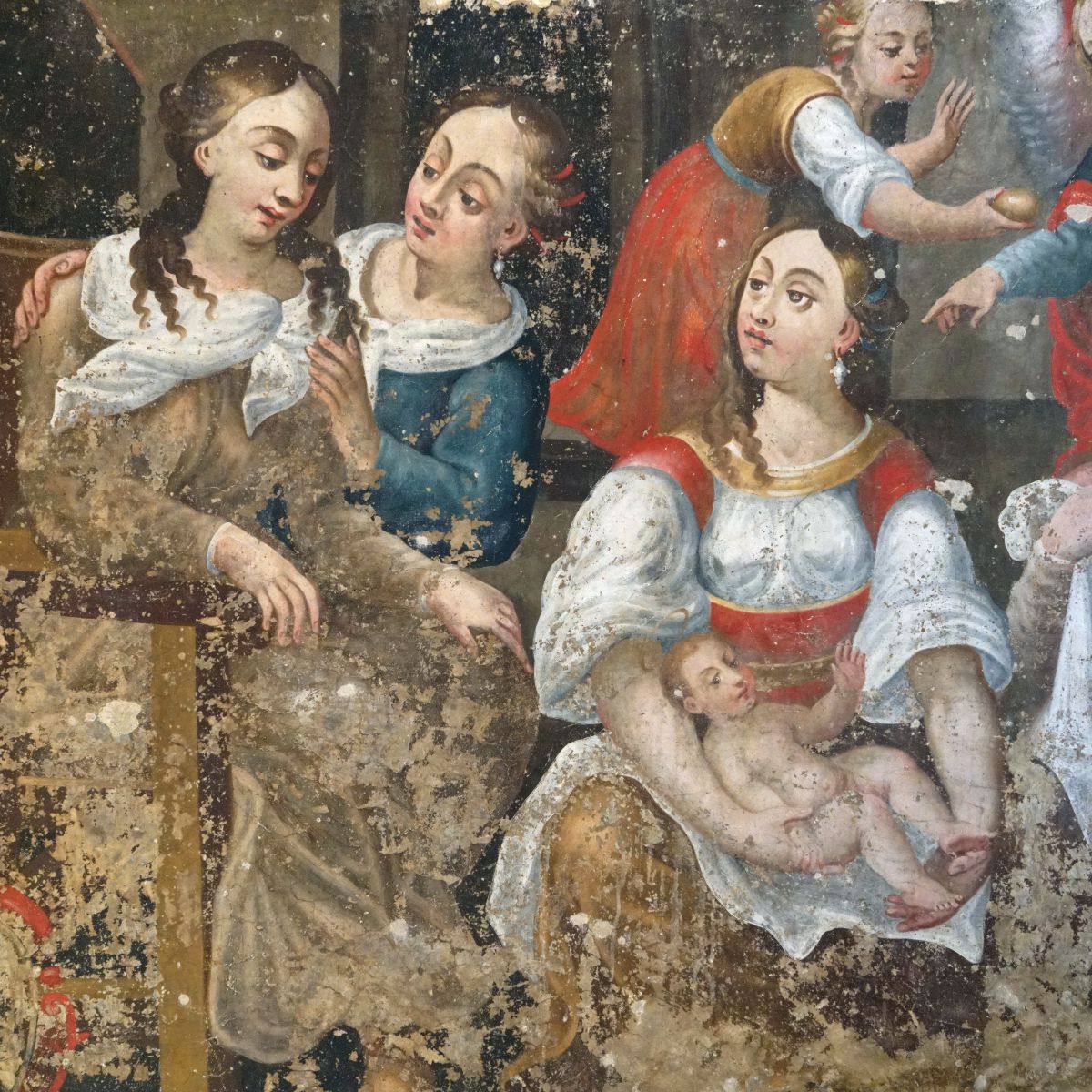
Affresco settecentesco ex convento dei Padri Riformati di S. Francesco - Pomarico
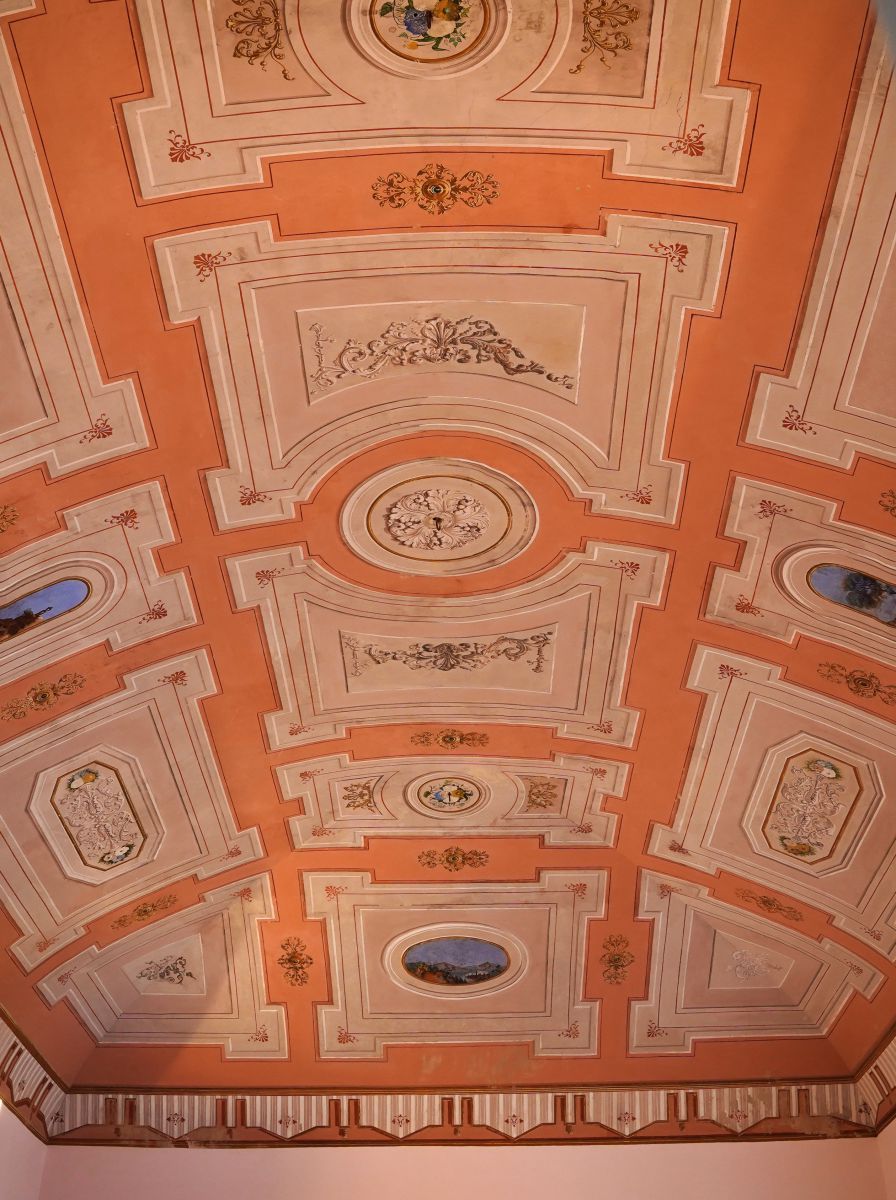
Palazzo Marchesale Donnaperna - Pomarico